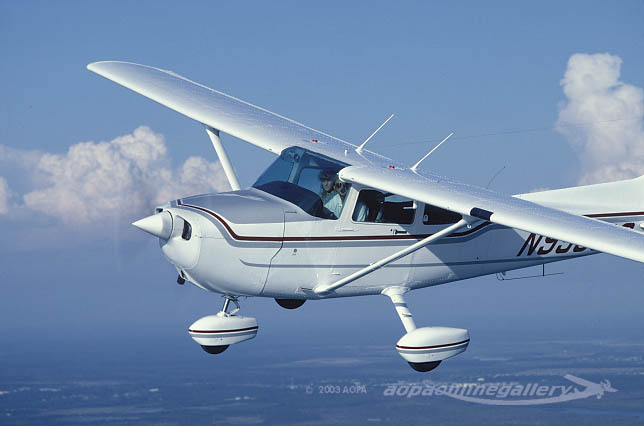
Friend of mine is a self-declared aviophobic.
To make matters worse, before every trip he has to make, he trolls accident databases to figure out the safety histories of the exact make and model of the aircraft he would be flying in.
That doesnt help at all.
Flight is unnatural for terrain-bound animals like humans, hence the prospect of putting ourselves at the mercy of mechanical contraptions which will carry us thousands of feet in the air makes us always wonder what could happen if those contraptions fail and we are left high and dry without a way to safely get down..
My personal belief is that the fear of flying is not entirely due to the awareness of the statistics of avaiation accidents, but the natural tendency to be skeptical about putting oneself in a vulnerable situation without any reliable means of safely gettng back. The amount of publicity that each air accident gets doesnt help either. If every car crash, every train wreck were to get the same amount of publicity and recreation of the gory details, i bet a lot of the aviophobics would never even drive a car.
Cirrus, the makers of the Cirrus SR series of (some really beautiful) planes have an innovative way of ensuring the safety of the air passengers in the event that the aircraft encounters a severe mechanical or airframe failure in flight. It is called the CAPS (Cirrus Airframe Parachute System), which is generically also known as a BRS (Ballistic recovery system). It uses a solid fuel rocket to quickly deploy a large parachute that is attached to the airframe so that when the plane fail to fly, it can float down, minimizing the risk of attempting to land in places where a safe landing is not guaranteed.
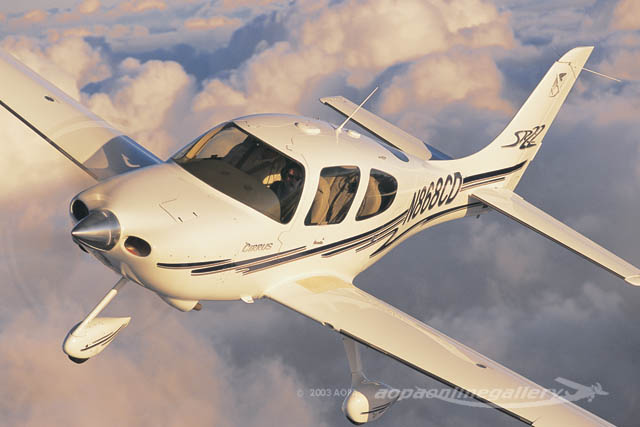
BUT Corey Liddle was flying a Cirrus which had a CAPS installed.
The airbag in your car will not save your life if you drive off a cliff. Each safety mechanism is designed to save you in the event of a specific life-threatening scenario.
Flying has typically three stages to it. Takeoff, Cruise and Landing. Just like driging on a freeway has three stages: Entering on an on-ramp, Cruising and Exiting on an off-ramp. Things can go south in any of these three phases.
Airplanes are reliable, probably even more reliable than cars - Can you imagine walking around your car in the morning looking for oil drips, nasty dents, under-inflated tires, checking the oil level before you start for work in the morning? This is what (good) pilots do before every flight. In addition, they perform run-up checks of the engines and subsystems before every takeoff. Imagine carrying a checklist of systems to check and verify for your car before entering a freeway.
Every pilot is first and foremost, a human, he/she watches the same shows that you and i do, he/she hears about and reads about every accident (maybe more) that you and i hear about. So next time you think you are afraid of flying, remember, there are probably one or two people sitting in the cockpit who share your apprehension. What sets them apart is the knowledge, tools and techniques which can minimize or eliminate the risks.
You are always in good hands.
Remember the time when $EX was safe and FLYING was dangerous? Well, those times are long gone.


No comments:
Post a Comment